Before my diagnosis of Myalgic Encephalomyelitis (M.E.) at the age of 14, I led an active and independent life, focused on school, friendships and family.
High school, however, became an extremely difficult experience. I endured severe bullying—both physical and emotional—which eventually forced me to move schools. Sadly, the same patterns continued, and the toll on my mental and physical wellbeing only deepened.
Looking back, my health had already started to change when I became unwell at around age 12. I went through many tests and scans, and was found to have problems with my thyroid. I was later diagnosed with Hashimoto’s disease, which has left me without a functioning thyroid.
Alongside this, I also live with combined-type ADHD, which added further challenges to managing school and daily life, particularly as my health began to decline.
Despite treatment for my thyroid condition, my health continued to worsen rather than improve. I began experiencing overwhelming fatigue that was very different from normal tiredness—it didn’t improve with rest and continued to worsen over time. By 14, I was often nearly bedridden for days, struggling to get up for school, unable to socialise, and feeling my ability to function slipping away.
At the same time, I was also dealing with severe bullying and fell into a dark depression, but deep down I knew something more was physically wrong.
As my symptoms became more complex and persistent, it became clear this could not be explained by my thyroid condition alone. After a long period of medical investigations and referrals, I was finally seen by a paediatrician. It was then, at age 14, that I was diagnosed with Myalgic Encephalomyelitis (M.E.), and told I may have been living with it for several years prior to diagnosis. I was placed under close monitoring due to the severity and complexity of my condition.
That diagnosis marked a turning point—putting a name to what I had been experiencing, but also beginning a very different and uncertain path.
What initially felt temporary gradually became unavoidable This diagnosis marked a turning point in my life, the diagnosis did not arrive with clarity or resolution; instead this marked the beginning of a unfamiliar reality requiring me to reconsider not only my physical capabilities but also my expectations for my future. Everything i once had planned had no longer a place in my life.
Living with whatever this complicated chronic illness was had a significant impact on my daily life. Tasks that were once effortless now require careful planning and energy management. My professional and personal life have been shaped by fluctuating symptoms, ongoing treatment, and the need for regular medical care. Beyond the physical effects of sensitivities to light and sound, mood disruptions, hot and cold flushes and many more other symptoms, the condition has also influenced my physical and emotional well-being, requiring a lot of resilience, patience and ongoing adaptation to almost anything i do other than resting.
Over time, I learned to adjust to these changes due to many breakdowns and questioning the life i had without the thought of feeling human. This involved me developing new routines, seeking support where I solely relied on self sufficiency, and redefining success on my own terms. This process has not been linear nor has it removed any challenges from my life but it has fostered a deeper awareness of the realities faced by many other individuals whose lives have been shaped by M.E/CFS. While the illness itself remains a constant presence, it has also deepened my understanding of patience, adaptability, and the importance of accessible and compassionate care.
Today, I continue to navigate life with such a debilitating chronic illness as it is a central part of my life, but it does not fully define who i am. I continue to engage and work with my personal goals while acknowledging the boundaries that my health requires. I remain engaged in advocacy and creative pursuits to let people like me who suffer have our voices heard when people say that we are making it up or it’s asking for attention. To this day i still cannot express the level of fatigue or pain that i suffer but I’ve had to learn to live with this and just picture the life i want for myself to keep a sense of hope in the air.
By sharing this story of my experience living with M.E., I hope to contribute to greater awareness and broader understanding of the realities faced by individuals living with chronic conditions- not just as a single moment of diagnoses but as an ongoing, complex and deeply human experience
Thank you for taking the time to read my story- I hope this helps to paint a bigger picture of what invisible illness can do to an individual's life and how much we have to suffer to live a 'normal' life.
READ MORE...
I was a sporty teenager and started working at 14. At 18, I developed Pernicious Anaemia, followed by Hypothyroidism a year later, and my health began to decline. I was frequently diagnosed with new conditions. In 2004, while on maternity leave, I was diagnosed with patella tracking disorder and degenerative disc disease—my spine was described as that of a 60-year-old. My knee dislocated repeatedly, requiring multiple surgeries, and worsening pain, depression, and anxiety eventually forced me to give up work. I also had carpal tunnel surgery and two further knee operations while caring for my daughter.
In 2007, I was diagnosed with Fibromyalgia, thought to be triggered by my body struggling to cope with numerous health issues including POTS, arthritis, degenerative bone disease, asthma, and PTSD. Each day became a challenge, but with family support, pacing, and rest, I managed. Later, I had a titanium disc inserted in my neck and a spinal fusion, both of which worsened my Fibromyalgia for a time.
My biggest health crisis came in 2021. My husband caught Covid-19 at work and soon I became ill too. By 6th August, my breathing was so bad that my husband called an ambulance. My oxygen levels were in the 40s, and I was rushed to hospital, diagnosed with severe Covid pneumonitis and bacterial pneumonia. Doctors said they needed to induce a coma to ventilate me, warning I might not wake up. My survival chances were just 30%.
I was placed on a ventilator and treated with antivirals, antibiotics, and 100% oxygen with nitrous oxide. I was nearly sent to England for ECMO but was proned several times instead. On the fourth attempt, my oxygen finally stabilised. Fourteen days later, I woke up—a “miracle,” the doctor said. My husband and daughter had even said their goodbyes while I was in the coma.
Soon after, I developed a blood and heart infection, requiring IV antibiotics through a PICC line. I then had to relearn how to walk and rebuild my strength. Just sitting up was exhausting. Gradually, with physiotherapy, I moved from standing to using a rollator. My swallow was affected from intubation, so I was on soft foods for a week. I lost half my hair, which only began regrowing after 6–8months, and my eyesight weakened, needing glasses.
After a month in hospital, I was discharged, but recovery was slow. Persistent breathlessness led to a diagnosis of ongoing pneumonia, treated with steroids over several months. Eventually, I was diagnosed with Long Covid–induced M.E. I now live with COPD, mild dysphagia, uneven pupils, worsened fatigue, pain, and mobility issues."
A few months later, I found Hope 4 ME & Fibro N.I., where I’ve received invaluable support and understanding, and found renewed focus and purpose , through home-based volunteering as admin support, when my health allows.”
Back to top
READ MORE...
Rebecca Logan's Long Covid Journey from the Frontlines to Advocacy
As countries around the world began locking down in March 2020, Rebecca Logan from Dundonald was one of thousands of healthcare staff who stepped up and took the frontlines of the Covid-19 pandemic.
Then aged 39, Rebecca, a mother of two girls, was working as an A&E nurse in Ulster Hospital, and had only recently completed a fitness instructor course to marry her two passions.
"I was working two jobs seven days a week, a busy mum, and I thought that if I got Covid I would be fine because I had no underlying health conditions,” she said.
However, just a few weeks into the pandemic Rebecca began feeling unlike her usual self.
“I remember teaching a fitness class on the Saturday on Zoom and I completely forgot the routine that I could do in my sleep. “I felt weird, I couldn’t put a finger on it.”
Displaying no typical Covid-19 symptoms, she went to work the next day only to find herself becoming increasingly delirious and dizzy.
On Monday, she lost her sense of taste and smell, and by Tuesday 7 April, a positive test confirmed she had contracted Covid.
While initially she felt sick with flu-like symptoms, by day 10 she was rushed to the very same A&E where she worked after struggling with breathlessness.
“It was really scary,” she explained. I remember saying goodbye to the girls at home but didn’t know if I would be coming back. I'll never forget my colleagues were coming by the car and I had just opened the window [a little bit] but the fear in their eyes when they saw me, I was like: ‘Oh my god, this is so scary.”
Rebecca was later sent home to recover, but five weeks on from when she first contracted the virus, she was still experiencing fatigue and breathlessness.
“If I’d known that I could potentially end up like this from Covid, I never would have worked in it,” she said. Everyone stepped up and that's what you did so it’s only now, over four years later, I’m so unwell and debilitated that if I ever had the choice again, I wouldn’t have done it.”
Rebecca tried her best to return to normality on advice of her then-GP and Covid support workers, but while her body recovered in a small way physically over the months, cognitively her health was getting worse.
It was clear, around eight months after her initial positive test, she was struggling with the effects of Long Covid, and began grieving for her former life after giving up both her nursing and budding fitness careers.
She said: “I felt like I was at a stage in my life where I could choose. “I thought ‘I’m fed up pleasing other people, I’m going to do what I want’, so I did fitness and nursing. It was just like a kick in the stomach when that happened because I was so happy.”
Rebecca said she felt like her family and social life have been “stripped away” because of her condition.
“I was the one who organised things - I was the party girl,” she said. I was the one who loved the craic and going out and dancing. [Now], it just feels like you are forgotten.
“I’ve lost my sense of purpose, it makes me angry. It makes me sad.”
Now, over four years later at the age of 43, Rebecca said she is in a “living hell and nuisance existence” because of what the virus has done to her body.
“You never feel well, I never wake up feeling well or normal. Your brain just feels like it’s not working, like it hurts to think, it hurts to try and work things out. The body pain is just constant…laying down is the only time I feel most semi-comfortable. You don’t even escape it in sleep because the pain wakens you, or it feels like I have poison in my blood. You just can’t live. I can’t live the life I had because of it.”
On good days, Rebecca can manage three hours out of bed before needing to rest again, but even spontaneous trips out, or tasks as simple as washing her hair have become taxing, draining and need to become pre-planned to conserve her energy.
At her worst, she will spend hours laying on the sofa before making the journey back to bed.
Explaining this feeling to friends and colleagues became a “frustrating and exhausting” task, which left her feeling abandoned by her loved ones.
People just disappear because they either don’t know how to deal with it, or don’t want to have to deal with it,” she added. It feels like a constant battle.”
Rebecca has spent the last four years feeling dismissed by medical professionals, loved ones and politicians. She said more awareness and education of the conditions she has developed would go a long way to shifting public attitudes.
You see things about strokes, you see things about heart attacks, so why can there not be a thing about post-viral illness? Anyone is susceptible to it, it’s not just Covid.”
Criticising political inaction towards supporting sufferers of Long Covid, Rebecca said there needs to be a “want to change” by providing more services and financial support for those with debilitating post-virus illnesses.
They need to listen to the people who are suffering and use their experiences to shape services, research and treatments that are appropriate.
It’s bottom of their lists. It always has been and it seems to be the case that it’s going to be that way.
I would give anything to work even for an hour in the jobs that I did. I miss caring for people. I was a good nurse, I know I was and I loved it, and I just miss it so much.”
Rebecca's story is a stark reminder of the long-lasting impact Covid-19 can have on individuals and the urgent need for better understanding and support for those suffering from Long Covid and other post-viral conditions.
2023
Back to top
READ MORE...
Amanda Blain: Finding Hope In Hardship
Amanda Blain, 47, was experiencing ongoing symptoms of Myalgic Encephalomyelitis (M.E.) for 15 years before receiving an official diagnosis in 2015, and a second diagnosis of Fibromyalgia just two years later.
With a lower capacity to expend energy and a consistently high heart rate, amongst other symptoms, Amanda was attributing it to her long shifts working in a hospital. Following what she, at the time, believed to be a nervous breakdown, came the M.E. diagnosis.
“It’s very easy to dismiss ongoing symptoms when you’re working 13.5 hour shifts, not eating properly because of swapping between day and night shifts, and simply getting older.
“I had numerous bouts of illness and mouth ulcers that needed steroids, I was checked for an underactive thyroid as well as various other issues, all with no abnormal results. It was a very stressful time.
“At first I told myself it was all because I was working intense shifts in an extremely busy ward, that I was too overweight, that I was imagining all these symptoms and that there was nothing wrong.
“I even changed jobs to a staff nurse post in a less acute setting to see if it would help ease the way I was feeling. And it did, but only for a short time.
“When my husband and I bought and moved into our first home, I thought I was having a nervous breakdown. After this, a GP who was already aware of M.E., was able to diagnose me with it.
“Once I started looking into M.E. and educating myself, it felt like such a relief. Every single way I was feeling was actually very real - I wasn’t a hypochondriac.”
Myalgic Encephalomyelitis (M.E.), also known as chronic fatigue syndrome, is a chronic neurological disease that affects multiple systems within the body, especially the nervous and immune system.
While it consists of a variety of symptoms, it is often characterised by extreme physical and mental exhaustion and poor cognition. On the days when the 47-year-old’s M.E. is at its worst, she finds herself bedbound and unable to eat or drink.
“A normal day in my body feels as if I’m wearing a concrete suit, wading through treacle with full blown flu symptoms. Every part of my body is affected.
“My worst day sees me unable to eat, drink and unable to get to the bathroom. If I need to go to the bathroom, my husband helps me. Sometimes I need to crawl next door to the bathroom. All my senses are extremely heightened; I can’t tolerate light, noise, touching or smelling things. Even breathing is exhausting on those days.
“On a good day though, I’m very aware that any of the energy I do use comes with a risk and often causes a crash.
“I’m so lucky to have such a supportive husband, and close family and friends who listen and want to be educated on what my illness means and how they can help me.”
While grappling with understanding her new diagnosis, the Hillsborough native often found herself battling the stigma attached to M.E. by other medical staff and people in her life.
“As a staff nurse, it’s easy to assume that I was aware of M.E, but I was told by senior medical staff that chronic fatigue was only diagnosed when they couldn’t find any other cause for the extreme tiredness. They also told me that Fibromyalgia was only diagnosed when they couldn’t find an answer for pain.
“It was only when I began to educate myself correctly after my diagnosis that I became confident in teaching my new knowledge to all the medical staff around me - but that didn’t stop them from rolling their eyes and telling me to exercise more or go out for more walks.
“I even tried to explain M.E. to my manager at the time who suggested joining their exercise classes twice a week. When I told her that one session alone would have me out sick for at least a month, she laughed at me.
“I ended up having to come out of work long term due to feeling that I had to keep pushing through my symptoms.
“The last nine years have shown me how few people actually understand M.E. If it wasn’t for Hope 4 ME teaching me to accept and adapt to my illness, and overcome my own gaslighting, I would have severe M.E.”
For those living with a chronic condition, Amanda emphasises the importance of research, resilience and support groups such as Hope 4 ME.
“I’m committed to holding onto as much independence as I can, but I’m also a very stubborn person which helps in some ways; it gives me the fight I need to try and maintain some form of ‘regular’ life.
“Learning how to accept how ill and disabled I’ve now become was the hardest thing I’ve ever had to do. I won’t let it stop me, but I do have to go about things differently. Pacing is essential for anyone with M.E., and it does take dedication to figure out what might be too much for my body.
“Disability aids are really needed, but it was difficult putting my pride aside and actually admitting that I needed them. It was heartbreaking. Then I see how much they really do help and that makes it so much easier to accept.
“I actually think the disability aids that I do use have shown my family and friends just how severe this disease really is.
“I try to find the positives in everything. Simple tasks now mean so much to me. Hope 4 ME’s crafting classes have become essential in finding brilliant hobbies that aren’t too intense. I've come to really enjoy painting.
“Painting has been a great distraction from pain and when I’m unable to do anything I can just think about my next piece of artwork while I’m lying down.
“Finding Hope 4 ME was my lifesaver. It’s introduced me to so many others who understand exactly what I’m going through and their support, empathy, advice and giggles have kept me sane. Even being able to share and exchange information through Facebook and Zoom meetings has been such a big help in articulating what I really go through on a daily basis.
“I met my best friend through Hope 4 ME and I can’t emphasise enough how important it is to have someone in your life who understands without having to go into teacher mode about M.E. and Fibromyalgia.
“Hope 4 ME and Fibro NI have been the biggest support in my M.E. journey. Without it, I don’t think I would be managing this disability and new way of living as well.
Throughout her journey with M.E. and fibromyalgia, Amanda became determined that there needs to be more research and understanding from medical professionals and a prioritisation of healthcare funding from politicians.
“There needs to be an awareness of symptoms amongst medical professionals and the recognition of M.E. as a standalone chronic condition.
“In most cases, it’s got to the point that the patients are educating their doctors on M.E. and what can be done to help us. There’s no education on pacing or energy conservation, and there is no signposting to where to find support. Most of the time we have to go to multiple medical professionals to get a single diagnosis.
“Even what might be classed as something smaller, like flexibility in types of appointments. It would be incredibly beneficial for appointments to be more readily available over the phone.
“The best thing a medical professional can do is to listen, empathise, believe us, and signpost us to where we can find more help.”
“Healthcare must be prioritised, and M.E. patients need to be factored into that prioritisation. We need the specialist care that was promised to us pre-Covid, and M.E. education should be incorporated into essential medical training.
“I would like both medical professionals and politicians to be aware that any energy we use fighting for our health care has a huge impact on our condition because we’re using the energy needed for other, more simple, daily tasks.
“M.E. has no cure. It has no actual curative treatment and there’s still a lot of mystery surrounding its main cause. Those thoughts alone are exhausting.”
Amanda’s story is a powerful reminder of the ongoing struggles faced by those living with M.E. and fibromyalgia. Her determination to advocate for herself and others highlights the urgent need for better awareness, research, and support for these conditions.
Back to top
READ MORE...
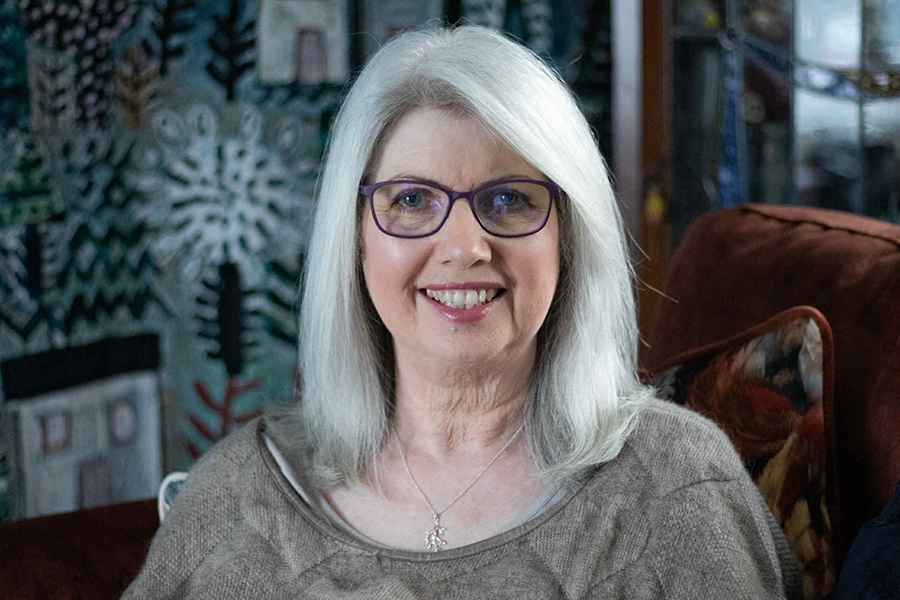
From Horseback to Homebound - Diane Corrigans Journey With Fibromyalgia and M.E.
At age 38, Diane Corrigan who is now 61, didn’t expect a horse riding accident to be the start of her chronic pain journey.
Following the incident in 2000, the County Down woman found herself with severe muscular pain all over her body, chronic migraines and vertigo. It took 8 years before she was officially diagnosed by a Rheumatologist with Fibromyalgia in 2008.
Fibromyalgia is a condition characterised by widespread musculoskeletal pain coupled with symptoms such as fatigue, sleep disturbances, memory difficulty and fluctuating mood. It’s thought to heighten painful sensations by altering the processing of signals in both the brain and spinal cord.
As years went by, so did numerous attempts and trials of pain relief before Diane finally found a combination of treatments that brought back a semblance of quality of life.
“I started by using a rollator but eventually became more dependent on a wheelchair, which had to be pushed by a family member as I couldn’t self propel.
“But I was still able to socialise, do activities and travel. I had adapted to my new way of living life, and I was committed to living it to the fullest.”
For Diane, however, this was short lived as in 2018 she was diagnosed with Myalgic Encephalomyelitis (M.E.).
“Everything changed drastically from 2018. Even though I wasn’t diagnosed until then, I was experiencing symptoms from early 2016.
“I was having breathlessness, air hunger and fatigue. I started having reactions and sensitivity to foods and personal care products, which I’d never had before, insomnia, and body and facial flushing that would start in the early hours of the morning. Strangely, I'd also become unable to sweat!
“It initially began as pain in my legs and as the weeks went on I was barely able to function. It was just constant malaise. That’s when I sought help from my GP because I was aware that leg pain was a side effect of an antibiotic I’d received on a cruise ship holiday. Initially, the GP didn’t think the two were connected.”
Not long after her initial trip to the GP, Diane started to experience internal vibrations in her chest, a high heart rate palpitations and angina type pain followed by an onslaught of increased symptoms.
“I felt like a bomb had gone off in my body.
“It was as if I had the flu - my body was in pain, my throat and lymph glands were swollen, I had a low body temperature, dizziness, orthostatic intolerance, nausea, severe migraines and brain fog. Plus occasional paralysis and neuropathy.
“Obviously feeling this way constantly with no answers was an incredibly stressful time, which only worsened the symptoms I was experiencing.”
The 61-year-old detailed how the charity Hope 4 ME was fundamental in receiving her M.E. diagnosis.
“I was aware of Hope 4 ME because of having fibromyalgia and being on the committee for the charity Fibromyalgia Support North Down & Ards. Hope 4 ME arranged an appointment with an immunology consultant who then diagnosed me with M.E. because all of my symptoms met the criteria.
“My GP then referred me to a consultant in chemical pathology who also had knowledge of M.E, because the GP now believed my symptoms pertained to the antibiotic I had been prescribed on the cruise ship.
“Months later it was an orthopaedic consultant who had experience in fluoroquinolone toxicity - which is essentially damage caused by Fluoroquinolone antibiotics. He explained that M.E. was just one of multiple disorders I was now experiencing which had been triggered by the antibiotic. That consultant diagnosed me with Fluoroquinolone Associated Disability”
Throughout her time managing her conditions, Diane highlights the importance of research and self-advocacy. She calls on both medical professionals and politicians to realise the need for better funding and understanding of these conditions.
“I’m very tenacious when it comes to advocating for myself and my conditions, and make sure I’m well prepared for any appointments. I provide medical professionals with as much evidence, research, books and leaflets on my conditions as I can when I feel the need.
“A big challenge I’ve found is the risk of infection when going to hospital appointments or when in emergency situations that call for a trip to A&E, but unfortunately the understanding isn’t really there.
“I can do everything on my end - vaccinations, protective sprays, air purifiers and face coverings - but it still doesn’t instil confidence because, in reality, it should be them protecting us.
“There is a greater need for medical professionals to see us, listen to us, and believe us. As for politicians, we desperately need funding for research because currently there is very little knowledge of M.E and no cure.
“It’s so important for people not only to realise, but remember, that M.E. is a real neurological and physiological condition. It is not psychological. It is not all in the mind, even though that’s how the ill informed often portrays it.
“Do not worsen our condition by ignorance.”
Myalgic Encephalomyelitis (M.E.) is a chronic neurological disease that affects multiple systems within the body, especially the nervous and immune system. While it consists of a variety of interchangeable symptoms, it is often characterised by extreme physical and mental exhaustion and poor cognition.
“My body does not produce energy to do even simple, everyday things.
“For most people when they sleep, their body recharges - mine does not.
“The mitochondria, which are the body’s energy cells, don't function correctly - they don’t work as they should. My battery is always low so I’ve massive limitations on what I can use my energy on throughout the day, so I try to conserve it for basic living tasks.
“If I go over my limit by using adrenaline I get massive payback, I then experience Post Exertional Malaise (PEM), which can worsen the condition - this can happen even with carefully pacing myself throughout the day.”
While Diane found adjusting to her body’s needs manageable with her fibromyalgia diagnosis, M.E. brought about a series of new challenges and impacts - especially when it came to her social life.
“I’ve become totally dependent on carers, my husband, daughter and her fiancé, as well as different equipment, aids and adaptations.
“When it comes to trying to explain how I feel on a daily basis, it’s extremely difficult. Many are empathetic but don’t grasp the entirety of my situation - I’ve actually lost some people whom I once held very near and dear, which has been truly heartbreaking.
“M.E. is a truly devastating condition. It’s completely life altering and can change your life in ways you never would have thought possible.
“One becomes isolated from society. There’s tremendous loss in every aspect of life.
“We become the missing, the forgotten.”
Diane's journey with Fibromyalgia and M.E. is a powerful reminder of the daily struggles faced by those with chronic illnesses and the critical need for better understanding, support, and research. Her story highlights the importance of listening to and believing patients, and the urgent need for more resources to help those affected.
Back to top
READ MORE...
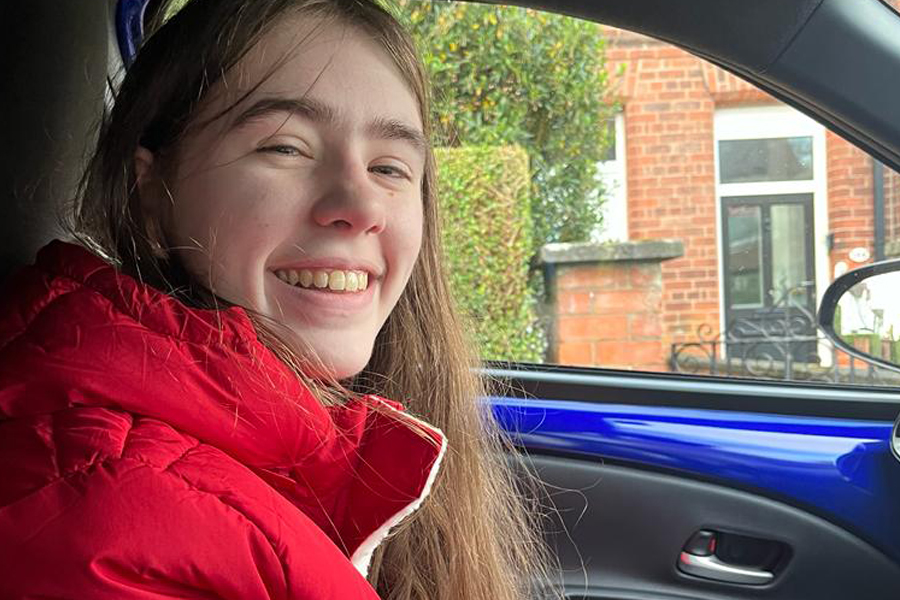
Belfast Woman’s Long Covid Led To M.E. And Vast Changes To Her Life
For 20-year-old Eden Byrne, a Covid infection led to Long Covid and the lasting effects of M.E. that so many are experiencing across Northern Ireland.
It has been devastating for the Belfast woman compared to how she lived beforehand.
“Before I was diagnosed with Long Covid, I was really active, sociable and I was just about to do my A-levels and then go onto university,” Eden explained. “I was able to compete in several things and coach.
“I enjoyed going ice-skating and bowling with my friends and travelling across the UK for taekwondo competitions. I was very outgoing and always up for a challenge.”
The changes in her life as a result of Long Covid and the subsequent overlapping symptoms she is experiencing have not been helped by the attitude of the medical staff.
“I have experienced some negative encounters with healthcare professionals and also a lot of stigma around being a young person and not being believed,” she said. “Depression or anxiety is what they hear but they don’t understand how debilitating the condition is and how it really affects your everyday life.”
Myalgic encephalomyelitis, more commonly referred to as M.E., is a condition that causes extreme tiredness and a range of other symptoms. The effects of the condition are something Eden believes people do not appreciate.
“The one word I would use to describe it would be exhausting,” she explained. “The condition itself is exhausting, but also what comes with it such as having to explain to others how it affects you and even the need to plan out your week/day and having to attend medical appointments can be very overwhelming and exhausting.”
At present Eden is experiencing multiple issues from the condition.
“I’ve been having continuing symptoms, the main ones being chronic fatigue, but I’ve also had breathlessness and heart palpitations and I often get post-exertional malaise,” she said.
Post-exertional malaise, or PEM is the worsening of M.E. symptoms and the appearance of new symptoms after physical or cognitive exertion.
“I recently got reinfected and with this, I got new symptoms and old ones returning which escalated further resulting in joint and muscle pain and also a lot of rashes causing erythromelalgia, another rare condition that causes burning pain and redness in certain parts of the body.”
The effects of her conditions mean that Eden has limited a range of what she can do.
“On my best day, I’m able to get out of the house for a few hours to visit family or friends or go to an appointment,” she explained. “On my worst day, I’m unable to get out of bed for most of the day. I have really bad brain fog and would be in a lot of pain. I’d have to get my meals brought to me and wouldn’t be able to go down the stairs.”
Though still managing life with M.E., Eden balances what she can and cannot do.
“Due to my health, I’m unable to work or be in education full-time but I spend my day keeping busy by doing lots of volunteering online and getting involved with Youth Social Action sharing my voice.
“I make sure that I have plenty of time for rest during the day and that my diary isn’t fully booked as I can struggle to manage my energy and symptoms if there aren’t regular breaks.
“I can’t wash my hair or make meals as I get really tired standing. I also have to be dropped everywhere as I can’t walk even very short distances which really has impacted my social life as I don’t often leave the house.”
And, to this day, many people don’t understand what she faces.
“I think a lot of my friends and family still don’t really understand how challenging it can be. I don’t even think some of my friends know what I’ve been experiencing as I do not talk about my problems and take on the role of being the mum friend.
“My parents are really supportive and my taekwondo coach is also really great, he keeps me involved in the club and keeps me up to date on how things are going in the club to make me feel like I’m still valued in taekwondo.
“I’ve made a lot of friends recently volunteering and through my different Long Covid groups. They are really supportive and I’m really grateful to have them.”
Eden wishes more people appreciated the battle she faces each day.
“It is real life and although you try not to let it get you down, some days can be really difficult, especially as a young person. You can feel that you’re missing out on a lot of different opportunities.
The Belfast woman says that both the medical profession and political leaders could and should do better.
“Just try to be sympathetic, non-judgemental and empathetic,” she said. “Each person is different it’s important that they are treated as an individual and not to put assumptions on them or say things that make them feel worse,” Eden said.
“As for political leaders, I think they should have more support services available and a lot more awareness raised about the condition in communities including schools and universities as it’s often overlooked and not often talked about.”
If you or someone you know is suffering from or needs more information on Encephalomyelitis / Chronic Fatigue Syndrome (ME/CFS) Contact us
Back to top
READ MORE...
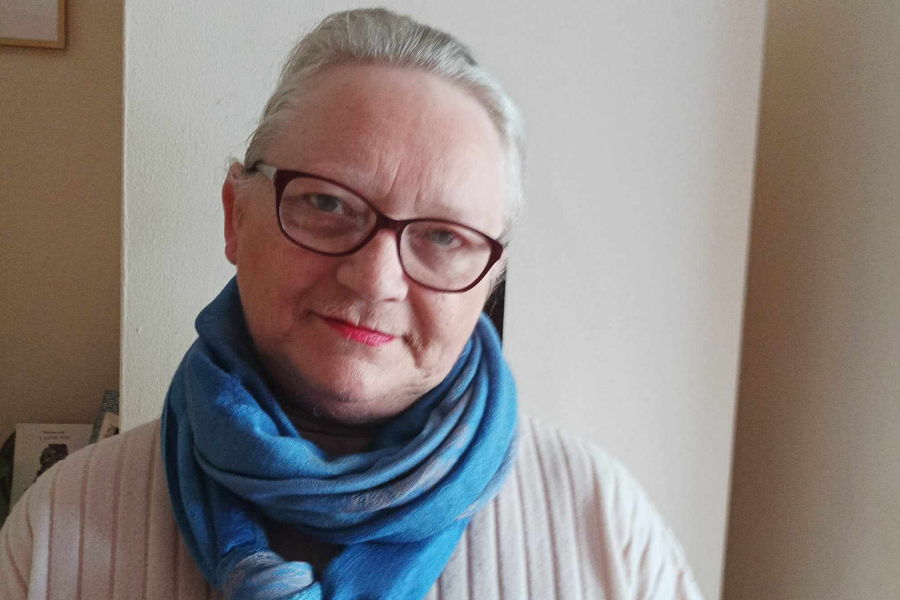
Gemma Flood - We’re not invisible - so why should our illness be? Gemma Flood Turns Chronic Pain Into Power
Pregnancy and childbirth are typically a joyous occasion for most. But for Gemma Flood, 63, it was only the beginning of her journey with chronic pain.
After giving birth to a healthy baby Gemma recalled experiencing pain everywhere, and following numerous appointments with various medical professionals, she finally had her answer: Fibromyalgia Syndrome.
“When I was 29, my son was born at 12lbs by forceps - and that was the start of my pain. It was a real shock to my body. From then on all I felt was pain, pain and more pain. At the time I was working as a journalist and I was originally diagnosed with Repetitive Strain Injury because of my job.
“I went everywhere and spoke to everyone I could to try and get to the bottom of it. Doctors, physios and even chiropractors, and it was all making me worse. I remember I would come home from work, lay down and just start crying from the pain and stress of it all.
“My son was born in 1989 and I wasn’t diagnosed with fibromyalgia until 2008. It took 19 years for me to get a diagnosis. This came as a huge blow.
“I completely lost my love for everything and had to make the very hard and serious decision of leaving my job. I just couldn’t do it anymore and had to walk away from my journalistic career. That felt like such a huge loss which brought on another bout of grief.
“I wasn’t even sure what that meant back then. I went straight to Google and went into shock. It was so frightening.
“I remember it so clearly, the doctor told me ‘Gemma, you won’t die of this, but you will die with this”.
Fibromyalgia is a condition characterised by widespread musculoskeletal pain coupled with symptoms such as fatigue, sleep disturbances, memory difficulty and fluctuating mood. It’s thought to heighten painful sensations by altering the processing of signals in both the brain and spinal cord.
For many receiving an official diagnosis for a chronic pain condition such as fibromyalgia can be a double-edged sword, offering both reassurance and stirring up a complex mix of emotions, including grief. In Gemma’s case, she highlights the importance of letting yourself feel your emotions without self-judgement.
“It was a huge sense of relief, but with that came a huge sense of sorrow. I knew that my life was going to change drastically and I began to mourn for the person I once was. I was a healthy child, teenager and young woman. I had very little experience with medication and what it might do to my mind and body,” Gemma said.
“I set up a support group in Carlow and ran that for 5 years. During the course of this I discovered a huge need for someone to advocate on behalf of people with Fibromyalgia.
“There is a huge demand for people looking for help and support but are afraid of the system. I’m not afraid of it, so I became dedicated to helping others receive the support they are entitled to,” she said.
“I set up Fibromyalgia Awareness and Advocacy Forum working closely with the Department of Social Protection. During this time I joined Hope 4 M.E. and Fibro N.I. This was a turning point, where Joan McPartland, the founder member and I united forces.
“We produced four booklets. Three booklets called Fibromyalgia is Real editions one two and three. We then went on to produce Fibromyalgia and M.E. Facts, Fiction and Hope and finally Fibromyalgia and M.E. – Because we Matter.
“These tasks were very difficult, we had to fund raise, we had to feed the copies of the booklets down through the system, but it gave me a new purpose. We sent them to libraries, GPs and patients. The booklets are simply written with some true life stories. They were met with huge demand. This was an example of patients helping patients.
Sadly in 2022 Gemma was diagnosed with Osteoarthritis and a bulging disc in her neck which again came as a huge blow.
“Even with hobbies - I love to garden but I just can't do it the way I used to and learning to pace myself has been the biggest learning curve. I know now that it’s important for me to take an hour or two out of my day to just sit or lie down - if only I knew that then!
“Along the way, I noticed that a lot of people were finding the medication side of the condition quite difficult. From the way medication was being treated as a one-size fits all solution to the nasty side effects of brain fog, fatigue and weight gain, all of which are either already symptoms of fibromyalgia or can only worsen it.
“Even in my own experience with the medication - I’ve been a recovering alcoholic for 28 years now and with the way they were making me feel I was terrified of cross addiction.
“It’s so important for medical professionals to recognise that medication works on a case-by-case basis, but when so many people are coming out with the side effects that are impacting their quality of life - it must be recognised and listened to”.
“The whole picture was not being looked at. Some medical professionals will take on board what patients are telling them, but a lot of the time it depends on the individual to do the research on fibromyalgia and explain it to them.
“As I mentioned earlier, medication is a major issue. More often than not it negatively impacts mobility, the brain and therefore pain. These are character changes - medications change people. I ended up writing reams and reams to the Minister for Health in Ireland and even managed to get a petition in front of the Irish Government. The then Head of the Joint Oireachtas Committee on Health agreed with every single point I made and yet nothing was ever done.”
However, through the pain and negativity clouding Gemma’s life, she has found a positive, nurturing environment with people who understand exactly what she’s going through.
“Remaining positive is probably one of the more difficult aspects of a chronic pain condition, but it’s also one of the most important. One thing that really gets me through my bad days are distractions.
“Joan advised me to join Hope Crafts and I honestly cannot say enough good about them. I was on the edge of despair. I couldn’t craft to save your life, I was always either reading or writing. But I went joined anyway and I’m so grateful that I did. It’s turned my life around. Even having small, manageable goals each session has been amazing when it comes to pacing - and it really gets you using your brain,” Gemma explained.
“Hope 4 ME and Fibro and Hope Crafts have brought me a long way. It’s brimming with wonderfully talented people, who are hilarious, loving and so incredibly caring. I really can’t speak more highly of them.”
Despite the 63-year-old’s hardships, Gemma has remained committed to bettering the lives of others diagnosed with fibromyalgia and chronic pain conditions. At the heart of her work she reiterates that knowledge is power - so keep talking.
“Fibromyalgia is real. It’s not something we would have wished upon ourselves and it has no respect for who you are, were or who you will become.
“Keep talking. Keep expressing how it impacts you and how you’re feeling to your medical professionals, they must listen.
“And remember - we’re not invisible, so why should our illness be?”
If you or someone you know is suffering from or needs more information on Encephalomyelitis / Chronic Fatigue Syndrome (ME/CFS) Contact us
Back to top
READ MORE...
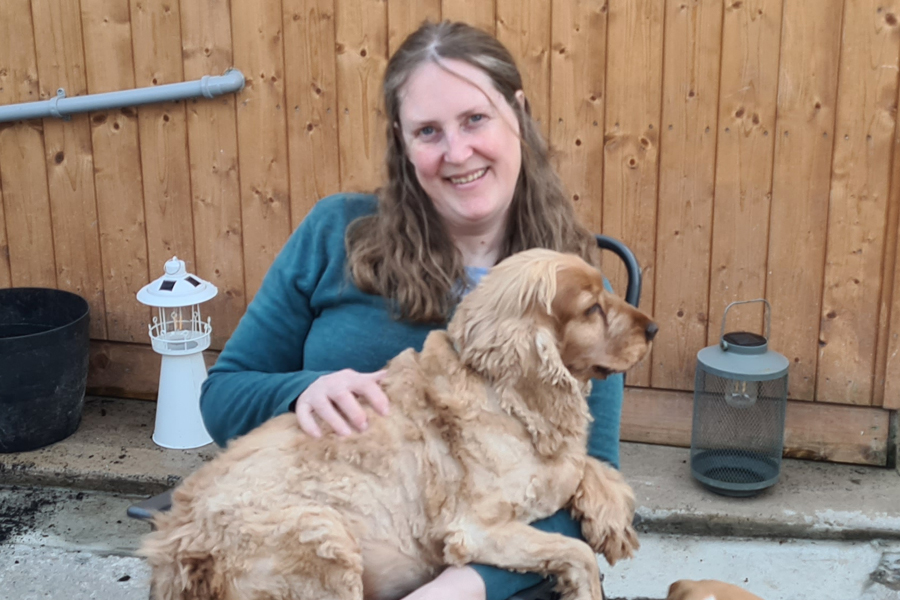
How M.E. Changed Justine Sneddon's Life
Life seemed to change overnight for Justine Sneddon.
A self-described perfectionist who was always on the go, her life came to a halt when she slowly noticed herself becoming more fatigued while recovering from an emergency back operation.
However, she pressed on, eager to continue to live her life as normal as possible - including her fulfilling all the duties in her role as a senior support worker.
“I carried on and pushed on because that’s the personality I have, just carried on to the point where in work on my break I would be sitting up in a chair and fall asleep in 30 seconds,” Justine said.
During her breaks, the 53-year-old from Keady in County Armagh would often set alarms to make sure she was awake to begin her shift again.
The gruelling cycle continued until around Christmas 2022 when her body hit a breaking point.
“I was in work and I felt really dizzy,” she said.
“I was so fatigued, I literally couldn’t walk, I couldn’t lift my head, everything was spinning, I couldn’t feel my legs.”
Soon after, the mother-of-three was rushed to A&E where she was later admitted to hospital. This was the first time she realised that it was something beyond surgery recovery and regular life stresses.
Despite being kept in over the festive period, many of the tests Justine underwent came back inconclusive. She was discharged, and told she would be sent to a neurologist as an outpatient to find the underlying problem.
With her neurologist off on leave and only one year of sick leave offered by her employer, Justine was left to search for answers in the depths of search engines alone.
“I was Googling everything,” Justine said.
“The waiting for everything was months and months. I was phoning up trying to just say I can’t live like this.
“Every time I went to the GP I’d be in floods of tears because I would be talking about it and then the GP would say, ‘Our hands are tied, you’re under the neurologist’.
“It was like, ‘Where’s my life gone?’ My life has just changed overnight and no one is even helping.”
In the lacuna of professional medical advice, all of Justine’s searches brought back just one result where the puzzle pieces fit: myalgic encephalomyelitis (M.E.).
Armed with that knowledge, she was determined to inform the neurologist of her discovery but just one day before her appointment, her fatigue caused her to fall in the kitchen and fracture her leg.
She was later discharged back into the care of her GP who confirmed her suspicions.
Now, five months after her official diagnosis, Justine is still adjusting to her new normal.
At her worst she will spend days in bed, only leaving to go to the bathroom. Conversations can also be a struggle with brain fog making her forget important conversations or appointments.
Before her diagnosis, Justine said: “I can fall asleep anywhere sitting up, I would park the car and be so fatigued I would just literally sit in the driver's seat and be asleep sitting up.”
Now, Justine understands how to PACE, an activity management strategy designed to help M.E. patients minimise the number and severity of relapses while staying as active as possible. This approach includes taking a rest after each activity.
Even something as simple as watching television or meeting a friend for coffee can be a struggle for Justine due to her condition.
She added: “For me there’s a definite my old life and my new life. I’m only just turning into ‘Oh that’s right I had an old life’, because now I'm trying to figure out what my new life is.
“For months and months and months, I was literally going, ‘What is the point of me?’
“I have no job anymore, I lost my job.
“I can’t meet people, I’m a people person, I’ve worked with people for 20, 25 years, helping people. What am I doing here?
“There’s a huge amount of guilt. I feel guilty all the time because [I think] maybe I am making this up. I know 90% of people think I’m making this up.
“The more I try to convince people, the more the M.E. becomes my identity and I don’t want the M.E. to become my identity.”
While she learns to live with the incurable condition, Justine has been busy re-discovering her life’s purpose and channelling that energy into a side project.
She started knitting therapy teddy bears that the Police Service of Northern Ireland and the Northern Ireland Fire and Rescue Service can give to children at the scenes of devastating incidents. Unfortunately she can no longer do that but now knits cuddly toys and give them to a local children's charity to give to the children they work with.
It’s helped her to refocus and cope with the mental struggles the condition can bring.
She said: “Unless you find your purpose, it’s going to be an even tougher struggle and maybe you don’t have energy or think you don’t have energy, it all links back to mental health.”
Justine said she was in “complete shock” that there were no specialised services for the condition in Northern Ireland, and urged politicians to make the issue a priority so people like her could have a glimmer of hope.
She explained: “I said to someone the other day it’s really sad that there are no services and someone said, ‘Well sure there’s no cure’.
“Services aren’t to do with cures. Services are to do with support, getting the best quality of life with what you have.
“To be told there are no services and to join a support group instead, it’s shocking.”
Justine has also been attending counselling to help her combat some of her feelings around her new life.
“I learnt so much about feeling guilty for not being normal, feeling guilty, having to excuse myself and that was just incredible.”
Despite being at what some may consider an early part of her M.E. journey, Justine is trying to find her way back to normal.
“I had to go through losing my identity, and everything I used to be able to do and what I can do now. It makes me so sad.
“Your whole life is trying to put out fires that your illness has made. I’m forgetful, I’m tripping, I’m breaking bones, while constantly trying to manage what the symptoms do to relationships.”
Despite the immense challenges Justine has faced, she remains determined to raise awareness about M.E. and advocate for better support and services. Her story highlights the urgent need for increased understanding and resources for those living with chronic illnesses.
If you or someone you know is suffering from or needs more information on Encephalomyelitis / Chronic Fatigue Syndrome (ME/CFS) Contact us
Back to top
READ MORE...
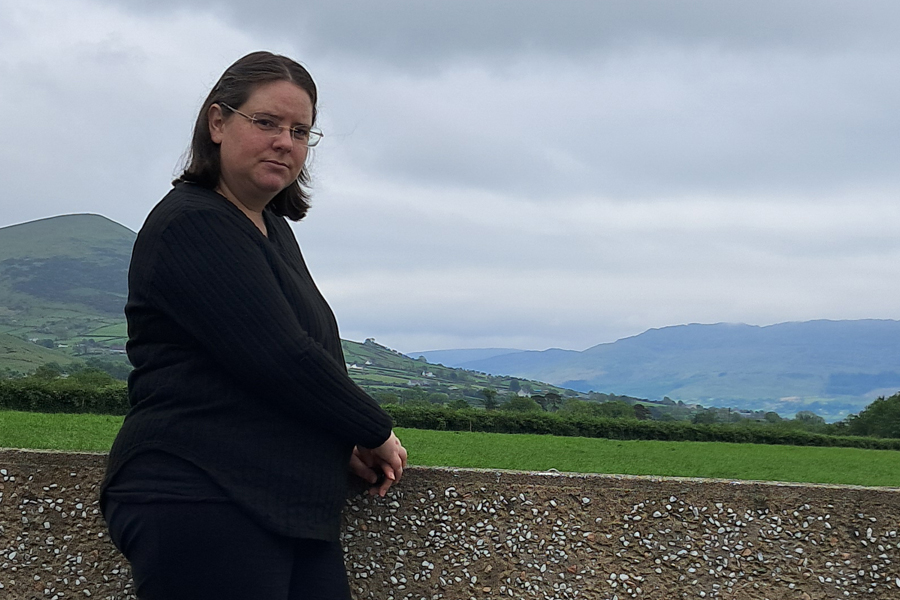
The Battle To Get A Diagnosis Of Fibromyalgia Despite Life Of Agony
The nightmare of fibromyalgia has been made worse for Kilkeel woman, Karen Calder, by being doubted about the pain and symptoms by a series of medical professionals.
The 37-year-old has had the condition for more than a decade, and the simplest of tasks leave her exhausted. Her first symptoms included lower back pain, neck pain, fatigue, lack of concentration and painful skin to touch.
Karen explained how the attitude of doctors made her feel.
I felt worthless and useless,” she said. “I was in constant pain and wasn't being listened to.A doctor said to my face, ‘You just want a diagnosis’. Well, yes, because then I can figure out how to live with what is wrong with me.
There has to be something wrong if I'm in this much pain. I felt like I was talking to a wall at every GP appointment with multiple GPs.”
The former care assistant and solicitor’s receptionist said she felt in a constant battle to receive a diagnosis.
“My journey was long and hard. First to be listened to. To be taken seriously. To be given help and/or treatment.
“Instead, I was told I'm too young to have these issues and I had to literally beg to be referred to a rheumatologist. She then diagnosed me and sent me back to my GP because I don't have a rheumatoid issue.
“I then asked the doctor to send me to a pain clinic only to be told at the pain clinic years later that they can't help me and they wouldn't refer me for management classes because I have a personality disorder and might ‘disrupt the class’.”
Karen said that she faced continual dismissal of her condition.
“There were uneducated professionals who told me to ‘buy this book about living with chronic pain’, I could have written the book,’ she explained. “After the diagnosis, I asked the doctor for help and he said, ‘there's nothing we can do, you're too young for pain medication. By the time you're in your 60s, pain meds won't work’.
“I told him I wouldn't make it to my 60s because I can't live with this pain. He sent me away. I was then given co-codamol by a GP who was desperate to help me.
“When those didn't work, I was told I had an addiction and sent to an addiction clinic. I do not have an addiction. So even after the diagnosis, I have been given the label of an addict which has affected my driving licence and still no pain management other than what I've learnt to do for myself which isn't much.”
Her life of pain was in stark contrast to the life Karen had.
“Before I became ill I felt like my life was great, I was fit and healthy and I was thinner. I was more mobile and able to be active. Things like being able to do the dishes, stand in a queue, make dinner, go for a walk, exercise and play with my nephews were all normal for me. Now, it's very different, all these things that I used to take for granted are so much harder.
“Living with this is debilitating. People don't understand and think I'm just fat and lazy.
“Having fibro is like a nightmare I can't wake from. Every day is pain. My pain levels are always high or higher. Never gone. It's like someone is rubbing my skin with sandpaper, puncturing my back and body with a jackhammer and constantly mixing my brain up so it feels like I'm losing my mind.”
On her best days, Karen can visit her nephews, but cannot play games with them.
“I can do some hoovering or change the bed on my best days, but not both,” she said. “My worst days are spent on the sofa crying. I can’t leave the house, I can't stand to cook for myself but I also can't leave to go and get food.
“They are black days that can last more than one day.
“I have to alternate between sitting on the sofa or standing up, or perching on a stool to get comfortable as my back hurts so much it is difficult to sit.”
Like many with the condition, Karen has developed her coping strategies.
“I make sure I have everything planned including knowing where bathrooms are, knowing where I can stop on the way if I need a rest,” she explained. “I use a Tens machine and hot water bottle.
“I also use CBD balm which is a topical balm for pain. I also use medical marijuana, THC to help me sleep and CBD for pain but this can be expensive and isn't affordable all the time. Other than this I meditate when I can and do Tai Chi.”
While Karen said her sister tries to teach her young children to be gentle, they are too young to really understand. She also said people don’t understand the struggles she faces.
“Trying to tell someone what it's like is almost impossible and they think I'm exaggerating,” she said. “I tell them to imagine being hungover as well as having the flu at the same time.
“I wish people knew it was real and not a made-up thing that's in your head. That it isn't just an illness that comes and goes but is there all the time.”
The former resident of East Belfast said that medical professionals and politicians can do much more for people with fibromyalgia and ME.
“There must be a better understanding of how it affects people daily and how to better treat it instead of being told to deal with it alone or join a support group,” she explained. “There needs to be better research into treatment and knowledge of the conditions. Also, better resources to aid those who have it, have just been diagnosed and those who now know they have a lifelong condition.”
And, Karen said the challenges are among the things others take for granted.
“Having a shower is one of those challenges,” she said. “I have to sit down and can't hold my hands above my head for long to wash my hair.
“When making tea, my hands are sore, and I can't open a carton of milk. I need help changing my bed now and can't do this on my own. I either have a shower or change the bed, I can’t do both on the same day.”
Karen said she has a simple message for professionals.
“Don't make us feel like we are stupid,” she explained. “We know our body, so when something is different and we notice, we tell a medical professional our symptoms only to be fobbed off with excuses as to what it could be, rather than sending a patient for tests to figure out what is really happening.”
If you or someone you know is suffering from or needs more information on Fibromyalgia and Chronic Fatigue Contact us
Back to top
READ MORE...
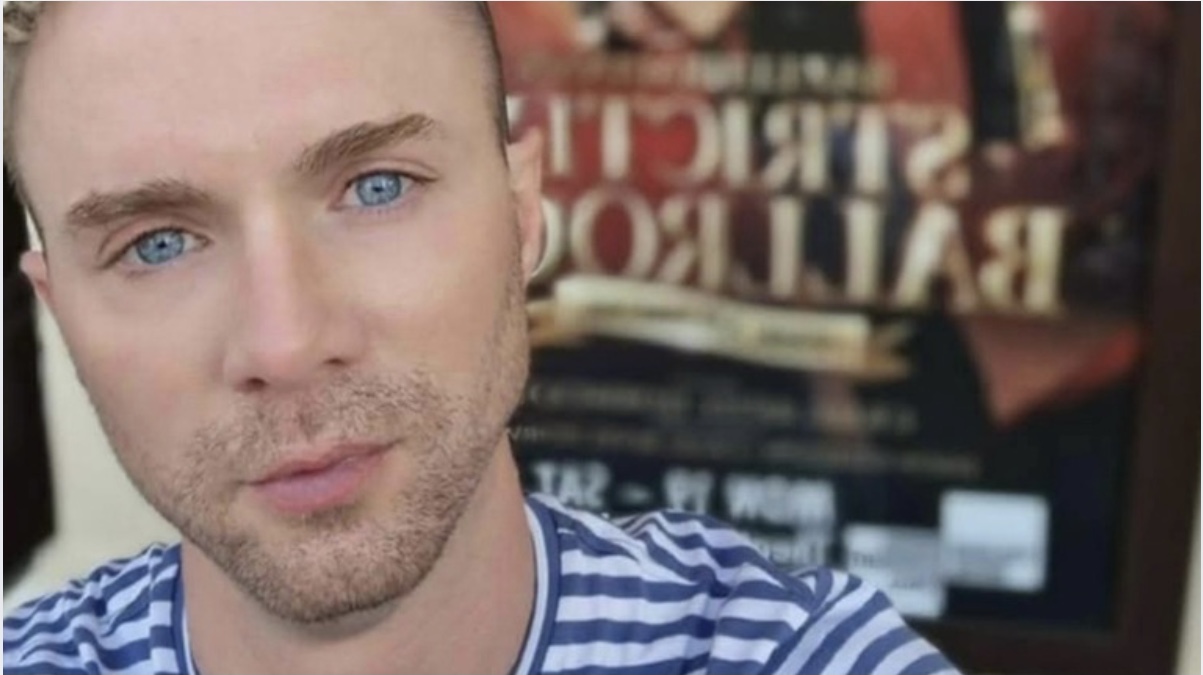
Gary Campion from South Belfast, worked in PR and tour management in London for many years, working with many household names from the worlds of music, media and celebrity, before returning to Northern Ireland.
Gary developed ME following a serious equestrian accident and was diagnosed by a private doctor 2016. He went from someone who had gone to the gym five days a week and ran the Belfast marathon, to suffering from debilitating fatigue and pain.
One of his key symptoms is extreme pain in the brain - It is not a headache or migraine - it feels like his brain is on fire at times. He can’t concentrate and can have trouble finding words mid conversation - as someone who was a born communicator, it is extremely frustrating at times.
Other symptoms he experiences include bodily spasms, problems regulating body temperature and an inability to tolerate sensory inputs such as light and sound.
After the symptoms began to appear, doctors embarked on a lengthy diagnostic process, eliminating possibilities such as a Parkinsons, MS and fibromyalgia, but it was only after he contacted Hope 4ME Fibro NI founder Joan McParland that she put him in touch with ME expert Dr William Weir and the mystery illness was diagnosed.
ME remains a very misunderstood illness, and many doctors don't even believe in the condition. I’ve heard of people going to the doctor and their doctor just throwing antidepressants at them and telling them to go to the gym. As a result many sufferers have undergone ineffective treatments that may even have made the condition worse. With ME, the more you exercise, the worse your symptoms get to the point where the body can crash to the point of no return. I was lucky not to have undergone the full extent of graded exercise therapy, but it did put him in hospital for three weeks.
“I am very lucky to have a GP who has been extremely supportive throughout my M.E journey and I am thankful to now be able to work part time for a very understanding employer that accommodates my work around my illness.”
Without Joan, Dr Weir and Hope 4 ME and Fibro Northern Ireland I don’t know where or what shape I would have ended up in. It is for this reason I support the charity with regular fundraising, helping educate and inform the Dr’s and Nurses of the future and advocating for changes to healthcare for M.E and Fibro patients across Northern Ireland.
If you or someone you know is suffering from or needs more information on Myalgic Encephalomyelitis / Chronic Fatigue Syndrome (ME/CFS) Contact us
READ MORE...
My Lived Experience with ME – Richard McNeill
Introduction Around 12,500 people in Northern Ireland are estimated to have ME, which represents 12,500 unique stories for how each of us became ill and have learnt to live with ME. This is not just our own lived experience, but that which our family and friends also experience of this disabling, chronic, complex, multi-system disease.
My name is Richard McNeill, I’m 52, single, live in Banbridge, and this is my own story.
In February 2023 I became critically ill with bacterial pneumonia and collapsed as quickly as my left lung did. Two days before collapsing, I ran a marathon and was thankfully as healthy and fit as I had ever been. My consultant quickly ruled out this race as the cause. A week after collapsing, I could just about walk 2 lengths of the hospital ward.
Back home after 3 weeks in hospital, I made good initial progress but by summer 2023 my recovery had stalled, and I was increasingly suffering from fatigue and pain. In May 2024 I had to stop work as a result, and a few months later, through diagnosis by exclusion, my GP concluded that I had ME. Having been unwell for so long, without explanation, this was a massive relief.
Her advice was to learn how to manage my own symptoms, which became my key objective in the last year, and to ask for her support when needed. To start with I had to work out what ME is and what having this disease means to me.
I also started to find out what any friends and family know about ME, and as quick as I was learning about the disease, I was starting to educate others. I often ask what they know about ME, or if they know anyone with ME, before I start to tell them what ME means to me. I was also keen to meet people who look and sound like me, which is how I found this charity. I quickly realised that fewer men have ME, but I also realised I already knew people with other chronic diseases that I can relate to. I am not alone, we have hope.
I heard soon after learning that I had ME, that only 5% of people recover. Those who do are predominantly in the first year of living with the disease and with the advice to do nothing. For me, my day zero with ME was when I collapsed with pneumonia, so I was already 18 months in when I heard this. At a time when I was pushing to recover from pneumonia, I have inevitably damaged my body further.
I quickly accepted that I won’t recover from ME, but instead my mindset change was to start thinking about what I can do to hopefully prevent my symptoms getting worse. My ME journey is very much about adapting as opposed to stopping. As a result, I have gratitude for what I can do as I continue learning to live my best life with ME.
On the scale of overall symptom severity between mild to very severe, my initial thoughts were that my symptoms were mild to moderate, but I now feel through lived experience that they are predominantly moderate. About 75% of people who have ME have mild or moderate overall symptom severity.
I have days where I feel on top of the world, but these are rare and then the reality of fatigue and exhaustion kicks in, but I still have a reasonable capacity for activities. Living with ME is a challenge and I feel I am on a never-ending learning curve. Every day is different and ME has changed my life. When I start to work out what can work for me successfully and sustainably, something happens that will change this. That said, I know my symptoms haven’t changed significantly in the last year and if they remain stable – albeit with the risk they may worsen – I can live with that.
Living with fatigue.
Fatigue is something I live with daily and is something I have grown to accept. I manage what I do around it and forever push my limits to find out what I am capable of. I know there will be good days and bad days, even good and bad within the day, and live with the inconsistency. I still do most household chores, but pace them over a few days instead of in few hours because it prevents excessive fatigue. I also get help from my Mum who lives nearby, and she has seen me at the highs and lows of ME.
Before I was first ill, I was an enthusiastic club runner and heavily into health and fitness. On one hand, that is the reason I was able to recover as much as I have, but on the other I know I will never run a marathon again. It has taken a lot of effort to get back to where I am now, and I am OK with that. Where before I could previously race a half marathon and train for a full, I can now run a 10K and carefully train for a half. This adaptation is OK and even though my pace has slowed, I am still able to run and that gives me so much pleasure.
I have also developed a change in my mindset whereby I appreciate that what I do can lead to “happy fatigue”, which is OK, whereas anything that causes “frustrating fatigue” will be changed. I have also adapted by getting involved marshalling at events, or with friends who want to learn to run (especially at the gym), both of which I find rewarding.
In addition to running, I still go to the gym, do Pilates and get out walking or hiking, but all of this is at a scaled back level compared to what I was doing before I was first ill. The people I train with have known me before I had pneumonia, so have seen me through the ups and downs of that and then with ME. In August 2025, I supported a major charity event that some of the gym members did and really pushed myself physically to help, knowing this would be a one-off event. Happy fatigue and a lot of resting afterwards, but this made memories.
I know that people would say not to exercise with ME, but for me it’s about balance about how much I do and how much I push myself. I know personally that my mental health, as well as my physical health, would suffer if I wasn’t able to exercise.
I recognised early on that fatigue isn’t just for physical activities, but it also comes from mental/cognitive, emotional and social activities. However, I find the impact from these activities is far less predictable and always plan around activities to try and avoid crashing.
Mental activities, especially working when I need to focus, is challenging and I need to rest frequently. I know my capacity is greatly reduced and I can only work on just one thing at a time. Doing anything takes a lot longer, and I find this frustrating. Socially I get energised by the people around me, especially those who understand and empathise with me and my ME, but I don’t necessarily have the capacity to hit the dating scene: this is not a priority for now.
Another source of fatigue that I am now very conscious of is heat. Hot weather at home is exhausting, and I am even more careful planning activities as a result. It is very different trying to live and run my home when it is hot, as opposed to relaxing on holiday.
Early on I heard about the “pace plan prioritise” principle and over time, I’ve learnt to apply this for any kind of activity and not just the more predictable physical ones. When I plan anything, I make sure there are rest days in the diary before and after to allow me to have the best chance to carry it out. I am getting better at listening to my body and stopping to rest when needed, to avoid Post-Exertional Malaise (PEM, also known as “crashing”).
Poor sleep and needing to rest through the day.
Fatigue and sleep are closely linked, and I really struggle with sleep. I can usually get to sleep OK but then I’m often awake during the night and regularly only get to sleep around 5am, even when I am tired. I have tried various OTC remedies and CBD oil, but they have limited effect and aren’t consistent.
When I do wake up, I never feel refreshed and am very slow to get going. I can set multiple alarms to help, but it usually takes an hour before I’m awake enough to get out of bed. We talk about the “faulty battery” analogy, and this lack of quality sleep really does impact my capacity for the day ahead.
I will always rest in the afternoon as I know from experience that my energy slumps around 2pm, so plan that into my diary. I also feel another slump coming around 8pm, by which stage I tend to be home anyway and exhausted from the day.
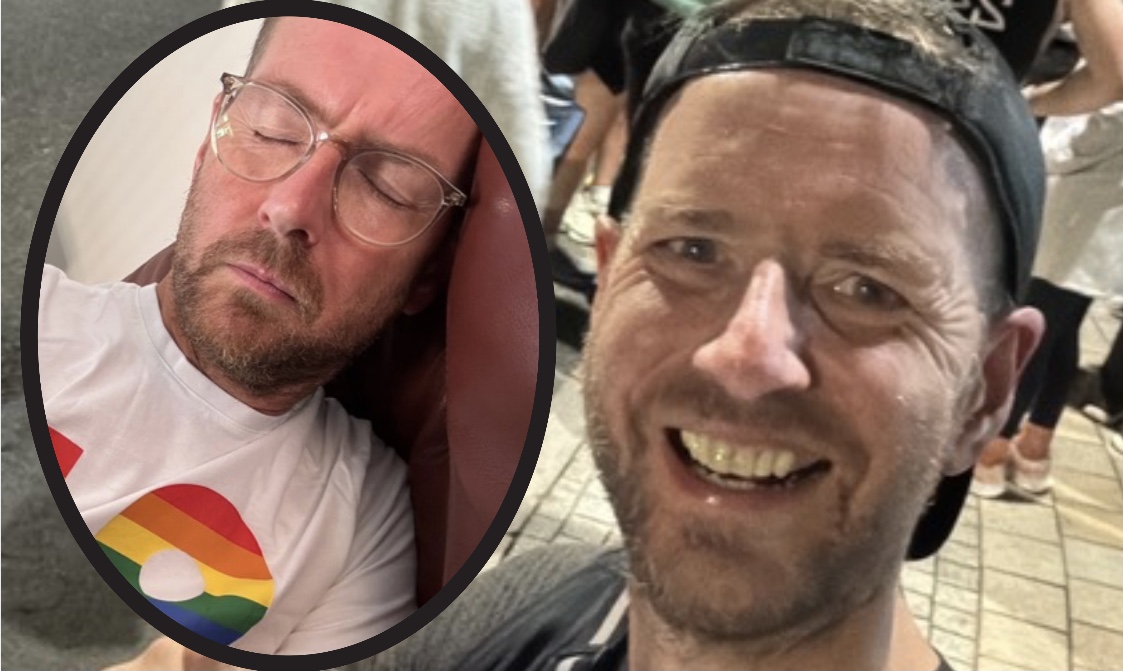
As I live alone, people don’t normally see me 5 minutes after I am get home. I get energised by the people I see and things I do, but then the fatigue and exhaustion hits when I get home and stop – as is evident in the photos that are accompanying this story.
I’ve recently talked to my GP about sleep issues, tiredness and exhaustion. This has been helpful as I’ve have started to accept that this is now my new normal and that between what sleep I get and additional rest during the day, my body manages to get sufficient rest overall.
Fatigue and the risk of crashing.
i have spent the last year working out what regular fatigue is as opposed to crashing (PEM), which I have had for weeks at a time, knowing that I’ve pushed too hard and repeatedly against my limits without sufficient rest.
My own interpretation of crashing is when my regular fatigue becomes unrelenting, accumulated, overwhelming and disproportionate. Sometimes it happens a few days after an event, but this is not consistent and I have also had it happen quite suddenly, but thankfully when I’ve had friends around. Hence, describing what crashing means to me and differentiating it to regular fatigue will forever be a learning experience.
I’ve learnt to live with the risk of crashing, but hopefully through decisions and adaptations, minimise the likelihood of it happening. I now watch for when the regular fatigue changes and then listen to my body, to try and avoid crashing as I know how it will adversely impact me and my symptoms. This isn’t always successful.
I am also aware that I didn’t crash after the charity event at the gym in August, during which I had made conscious decisions that really pushed me to my limits and that I knew would risk crashing. I have had heavy fatigue that has lingered for well over a week, but it has not felt unrelenting, accumulated, overwhelming or disproportionate, and I am grateful for that.
Concentration and brain fog.
My ability to concentrate has changed and become challenging. Previously I could have had music on but that is no more, and even the ticking clock had to be moved out of the study to get rid of background noise and distractions. I can only focus on one thing at a time. Even watching a TV programme needs my attention otherwise I will need to re-watch it to avoid missing details. This gets worse when I’m tired.
Brain fog is very frustrating. I am forever forgetting stuff, even down to the simplest thing like drinking the tea that is in the mug in front of me. I also write down a list of things to do, that can be ticked off so not to forget them. I use the calendar and set reminders on my phone, also using the notes app to capture ideas and reminders on the go. This is where being a programme manager has provided many helpful tactics to help live well with ME.
Other symptoms.
Tinnitus is a constant issue and gets worse when I’m tired and this really affects my ability to concentrate. I also suffer from muscle aches, pins and needles, poor temperature regulation, IBS, acid reflux, and other minor symptoms. These are all annoying in their own way, including later in the evening when I’m exhausted and struggle to get up the stairs to bed.
I have been using the Visible app for a year to monitor my symptoms and energy levels through daily pace points, which represent units of energy. By tracking my activities, especially running that utilises more pace points, I can anticipate the physical impact and recovery. I use the app data to analyse and predict these effects over time.
I also don’t beat myself up when things go wrong, I don’t have the energy reserve to be able to do that. Instead, I laugh things off as a coping mechanism, what else can I do?
Developing a daily routine.
I learnt early on that nothing happens fast with ME, that it has taken time to work out how it affects me, and how best I can live in a way that is both successful and sustainable. This was especially true when it came to finding a weekly routine. Through trial and error, I know that mornings are the best time for me to get things done, that I must rest in the afternoon which then allows me to train in the evenings. This is true for weekdays, which separates the “working week” from the weekend.
Finding this routine was also in anticipation of returning to work, although that hasn’t happened as there is no suitable role. I may get the opportunity to go back to work sometime in the future, even if this is part time.
Instead, I am planning to look for opportunities to volunteer, to have a sense of purpose and meaning. I am looking for something that ignites a passion in me, continues to make me curious, and probably gives back to society and my community. This feels like it is something that is more achievable as it would be part-time and better suited to me. Like everything, until I try, I won’t know what I can do and find where my limits are.
Challenges.
Living with ME isn’t all plain sailing. The last year has been a learning curve and there have been many ups and downs. I have had to deal with a lot of uncertainty about work, finances, my home and my disease, a lot of which has been very stressful and caused anxiety. Thankfully, I am now in a better place and have the right support around me.
I also have people who now know more about ME, and I happily talk to others about this invisible illness, especially when they comment about how well I look. This is particularly challenging, as I end up trying to explain to someone how ME affects me daily, whereas they see me infrequently and generally at my best. I need to point out that I have much less capacity now compared to before I was first ill and as already mentioned, living alone means almost nobody sees me 5 minutes after I get home, which is part of my own reality living with ME.
I have also learnt how to be more kind to myself, and journalling has helped me capture how I feel as well as how my symptoms are changing over time.
Final point.
A good friend of mine talks about reflected knowledge being wisdom, which is a great way for me to think about my ME journey so far. There is also a parallel to the Serenity Prayer which says “...to accept the things I cannot change, courage to change the things I can, and wisdom to know the difference."
My mindset is that living with ME is my new normal, and it is down to me, my wisdom and my choices as to how I can continue learning how to live my best life with ME going forward. This is with ME and not despite it, as my ME isn't going anywhere.
Stories like this can help others feel less isolated, be it with ME or another chronic condition. I also hope the pictures included, of how I usually look in running gear and how I look when at home exhausted, make sense. This helps make us more visible, and I hope what I have written in my story has resonated with someone reading it.
Thank you, take care and please be kind to yourself
Richard McNeill
September 2025
Back to top
READ MORE...
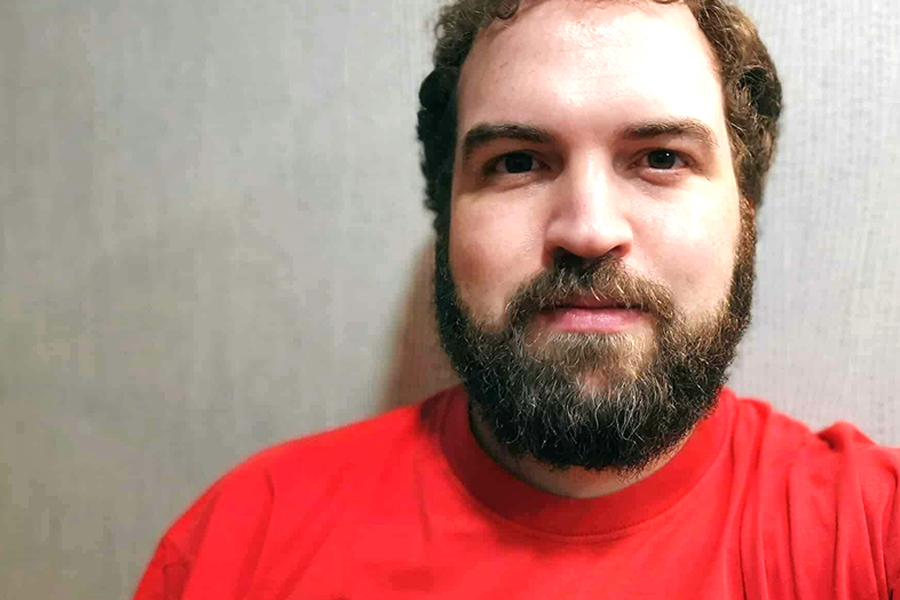
Lisburn Man David Campbell's Fifteen-Year Struggle Highlights M.E. Challenges in Northern Ireland
For Lisburn man, David Campbell, the thousands of people who have M.E. in Northern Ireland are being let down by politicians and the Department of Health failing to address the needs of all those with the condition.
Myalgic Encephalomyelitis, also called Chronic Fatigue Syndrome or M.E./CFS, is a condition that causes extreme tiredness and a range of other symptoms.
The 35-year-old has had M.E. for 15 years and has had a mixed experience of the medical attitudes, which he believes have to change.
“Currently there are no specialist services for M.E. in NI, and little to no education on it or research into it,” David explained.
“There is little will to change that, from those in decision-making positions - either those attitudes need to change, or the people in those positions need to.”
David is speaking out as part of the Discover ME campaign organised by charity Hope 4 ME & Fibro NI, as part of an ongoing initiative to raise awareness for the medical conditions M.E., Fibromyalgia, Long Covid and other post-viral syndromes – all bearing similar symptoms.
The campaign, designed to deepen public and professional understanding of chronic conditions like M.E., will begin on World ME Day where significant landmarks such as Parliament Buildings at Stormont and various council buildings are to be lit up in blue to symbolise solidarity and support for those affected by M.E., Fibromyalgia and Long Covid.
Having teamed up with Libraries NI, the campaign will then tour 13 libraries across Northern Ireland giving the public, politicians, educators and healthcare professionals the chance to experience the powerful Discover ME film in Virtual Reality (VR).
It is estimated that around 7,500 people in Northern Ireland have M.E. and roughly 30,000 have Long Covid with M.E.-like symptoms.
All of those people are being let down and discriminated against by the current system, many like myself for well over a decade,” said David.
For David the symptoms appeared when he was in his second year of university, studying psychology at the University of Glasgow.
I was in my second year of university, I was socially and physically active, I cycled, did martial arts, climbed mountains, was involved in various societies, I was leading a decent, fulfilling life,” he said.
After returning from Israel and Palestine, as part of a cross-border activist visit, I was just wiped out. That continued for several months; I began struggling with my university studies or maintaining any kind of social life, and I eventually had to withdraw and move home with my parents.
My symptoms were mainly fatigue, insomnia and disturbed sleep, poor concentration and memory - a bad mix for a student. It was about six months before I was given a diagnosis of post-viral fatigue syndrome, which eventually became a diagnosis of chronic fatigue syndrome and then M.E..”
David has experienced a mixture of attitudes from medical professionals.
“My GP was supportive, although admitted they did not know much about M.E.,” he explained.
“I have had a mix of luck when it comes to specialists, with some being willing to try new medications and therapies, while others would just refuse to accept that M.E. was a real condition, and just defaulted to harmful recommendations of exercise and 'pushing through'.”
The Lisburn man believes there is a lot of confusion about what the condition exactly is.
“Many people think M.E. is just 'being tired' (the name 'chronic fatigue syndrome' does not help with that misconception),” he explained. “Rather, it is a continuous paralysing exhaustion, that some may have gotten a taste of for only a few days while sick with Covid-19.
“M.E. can affect people differently; many will have disturbed and unrefreshing sleep, insomnia and hypersomnia, cognitive dysfunction, muscle and joint pain and weakness, GI issues, temperature dysregulation, hyper-sensitivity to stimuli, and many other symptoms.”
However, David says the exhaustion extends beyond the expectations of others.
“The primary symptom that all people with M.E. have is post-exertional malaise (PEM), which is when your symptoms are made worse by too much physical or mental stress, potentially lasting for days or longer.
“So if a friend or family member sees you on a 'good day', they may not see or hear from you for several days after that, because you are in bed, wiped out from that exertion.
“Because of this, M.E. is often referred to as a 'hidden illness', as you only see us when we are well enough to be seen, which gives a false impression of just how ill we really are.”
On his best days with the condition, David said he can go for a coffee with a friend, or a quiet walk, but even that can result in spending the next day in bed.
When it is one of the bad days David is: “bedbound, in a dark quiet room, doing very little, or just sleeping for most of it.”
David has severe M.E., one of four severity categories: mild, moderate, severe, and very severe. Those with very severe M.E. can be permanently bedbound and unable to stand or walk, they can find light, sound and touch excruciating, can require tube feeding, and some have ultimately died as a result of their very severe M.E.
David said that the support and understanding of those close to him are very important.
“I get a great amount of support from my family, and thankfully I have a few very understanding and patient friends,” he explained.
“I cope thanks to their support, and I always try to plan activities with my M.E. in mind.
“If I know I have a doctor’s appointment, or if I want to see someone, I will make sure that in the days before I stay well rested, and that for the days after I have no other plans and can just rest. It can be difficult to resist the urge to try to do everything if you have a ‘good day’, and even more difficult not to feel guilty that you don’t do ‘enough’.”
However, David admits that the debilitating nature of M.E. and the misconceptions have affected his life so much.
“It is very difficult! M.E. has put strains on many relationships and ended others. M.E. robbed me of my education, of my 20s, and it’s doing its best to take my 30s as well,” David said.
He believes action from those in positions of power can come from understanding what people experience with M.E.
“There is an urgent need to fund the commissioning of long-term specialist services and biomedical research,” he said.
“In many cases, people with M.E. struggle with some of the most basic tasks, and this is poorly understood.”
David explained what that entails for him, and what he has lost.
“Reading and writing was a big one for me to lose,” he said, adding: “I used to enjoy reading and was a second year university student, so to have that suddenly taken away from me, for me to only be able to read a few paragraphs at a time, was life-altering.
“Dictation and text-to-speech software can be a great help, but even then, there is still a level of concentration involved which often isn't possible.
“Similarly, things like cooking are difficult to impossible for me, as you are trying to keep track of multiple things all at once. Even just trying to take a note while on a phone call can be difficult, as my mind finds it difficult to switch between the two tasks of listening and writing.”
Back to top
READ MORE...
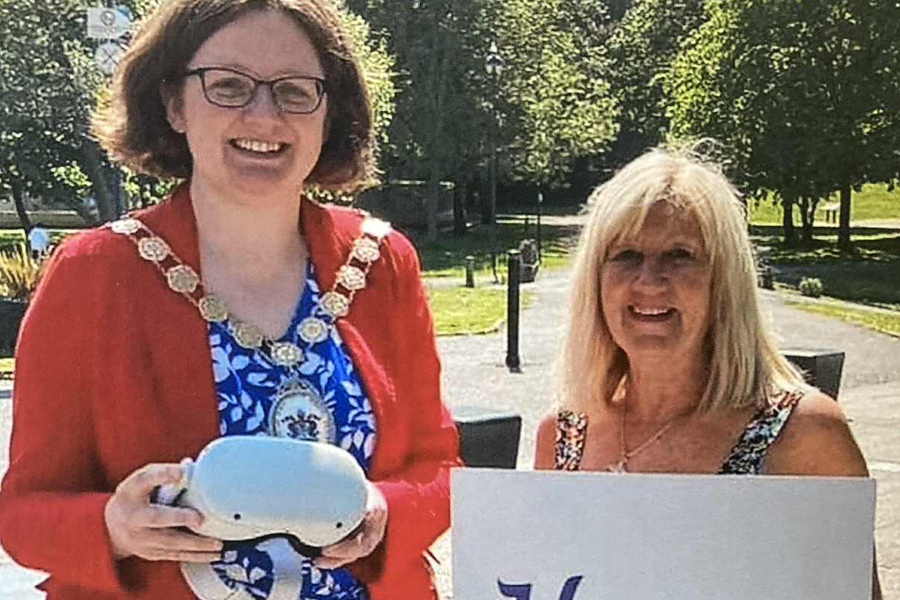
Joyce Currie’s Unseen Struggle with Chronic Fatigue Syndrome
At seven years old, Joyce Currie knew she wanted to become a teacher.
She spent most of her teenage years in Bangor babysitting before heading off to Stranmillis University College to get the golden ticket she needed to achieve her dream.
Then, after lots of late night study sessions and hard work, she landed her first job as a primary school teacher in Belfast and poured her heart into giving the next generation the tools they needed to succeed just as she had.
In the years that followed, Joyce learned the true meaning of multi-tasking when not only was she looking after a classroom full of young children, but she was also raising three of her own as well.
But a wave of exhaustion began to crash down on Joyce, one which she couldn’t explain. She had dealt with recurring tonsillitis and other viruses growing up, but usual fixes like antibiotics and rest were no longer working.
She went to her family doctor, who told her the symptoms sounded similar to multiple sclerosis (MS) but that it would be a “process of elimination” to rule everything out.
“I was working full-time, three kids, but up until then I had been fine,” she said.
“I was putting it down to my age. I was in my forties and I was beginning to think it was just getting older, maybe hitting perimenopause, all those things.
“I was trying to work it out, struggling to do my job properly and be a mum properly.”
Soon after her energy levels began to drop, Joyce started to experience pains and, most concerningly for her career, brain fog which would often disrupt her teaching.
She explained: “I’d be standing in front of the class, and it was a primary six class at that stage. I was trying to explain something because they were doing transfer tests and I was going, ‘Now it’s…’
“This is not me because I was sharp as a tack and in the classroom of 30 kids, you have to be on your toes and this wasn’t me.”
Several medical tests still could not pin down what Joyce was experiencing, but she persevered to get the truth.
“I just wanted to know why it was happening,” she said.
“I’m quite an easy-going person, but you know your own body and you know when something isn’t right and I was determined to get to the bottom of it.”
Then, after a two-year-long wait as she was experiencing her self-described “big crash”, Joyce finally got the answers she was looking for.
She said: “After two years of literally torturing the doctors, he said to me, you have chronic fatigue syndrome.
“It was nearly like a light went off, now I know.
“But he said give it five years and it’ll burn out - I sort of clung to that.”
Twenty-four years later, however, at the age of 68, Joyce is still living with myalgic encephalomyelitis (M.E.) - otherwise known as chronic fatigue syndrome.
Soon after her diagnosis, Joyce said she experienced her “worst period”, but desperately tried to keep teaching. However, the exhaustion just became too much.
“I was in and out of bed. I would have got up with the kids going out in the morning, got them all out, made the beds, put on a washing and then went back to bed.
Without knowing it Joyce began pacing - or breaking up activities throughout her day - in order to manage her condition but struggled to get this across to people, even to her own husband whom she eventually divorced.
“The way I used to say to people was imagine the worst flu you’ve ever had and how you feel with that - that’s what my life is all the time,” she said.
Since her diagnosis 24 years ago, Joyce has tried to live her life as normally as she can like attending social events, but has gotten into the routine of setting time limits for herself so she does not become completely drained of her limited energy.
And like every chronic illness, there are good and bad days.
At her worst, pains in Joyce’s throat can make it difficult to swallow or open her mouth. She’ll even struggle to lift her head off the pillow to take drinks of water, often needing to rely on pain relief to get her through even the most basic tasks.
It’s only been in the last few years that Joyce’s rollercoaster relationship with her chronic illness has remained “steady”, and she can now say yes to things that would have been unthinkable before.
She said: “You learn to live with it. If you know you’re going somewhere, you can build up your reserves for a couple of days and go to the event or whatever it is.
“It’s ok to say no, that I’m not able to do that today - you have to protect yourself.
“There’s no point pushing yourself to the detriment of your health for maybe a few months. Learn to say no, in a nice way, but people who know you can accept that.”
As Joyce approaches the 25th year of her diagnosis, she has found her home in support groups, like Hope 4 ME, where other members know exactly what she’s going through.
There have also been breakaway groups so members can do things they are passionate about together, such as arts and crafts, from the comfort of their own homes.
“There are girls on that Zoom who are alone in their bed and literally can’t lift their heads, but they want to join in for the craic,” Joyce said.
“It’s not all doom and gloom.
“One might say it’s a bed day today and we say that’s fine, or they might just sit and listen, but they can have fun. They can come and have fun about the condition.
“They are very good, and you can message if you’re having a bad day and then you’ll get a few wee hearts coming back or pen pals or something like that.
“You just think, here are people who know what I’m going through today and understand it.”
Despite the struggles she faced throughout her journey with M.E., Joyce urged others like her not to “give up hope”.
“Out of every negative situation, I think a positive comes out of it 100%,” she added.
“Yes there is no cure, but don’t give up hope that you can’t live and fulfil life.
“Your life changes, that goes without saying, but accept those changes and embrace what you can do and not what you can’t do.”
If you or someone you know is suffering from or needs more information on Encephalomyelitis / Chronic Fatigue Syndrome (ME/CFS) Contact us
Back to top
READ MORE...
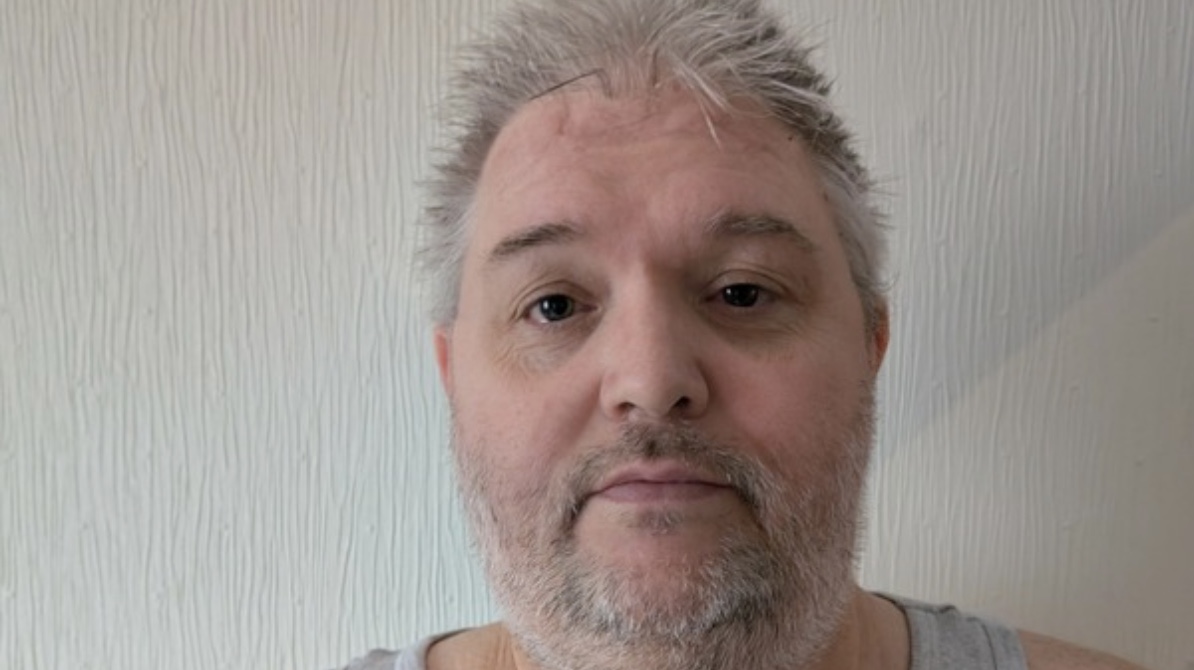
Stephen McGowan reflects on navigating COVID-19 Fatigue: Understanding and Overcoming Exhaustion.
This piece is not about Long COVID, the medical condition caused by the virus itself. Instead, it explores COVID-19 fatigue — the emotional, mental, and lifestyle exhaustion that arose during the pandemic, shaped by fear, uncertainty, disrupted routines, and prolonged stress.
The Onset of COVID-19 Fatigue
Life changed fast when COVID-19 hit in 2020. Many people, including myself, felt a new kind of tiredness — a deep weariness, known as COVID-19 fatigue. This isn't just feeling sleepy; it's a form of burnout caused by constant emotional and mental stress, not knowing what's next, and major changes to all parts of our lives.
The Constant State of Alert
The threat of getting sick from the virus never fully went away. Government updates and shifting public health rules turned daily life into a constant state of vigilance. This long-term stress kept people on edge, hindering wellbeing. [Ref: Mayo Clinic, 2021; Research on pandemic fatigue]
Disruption of Routines and Social Life
Lockdowns, social distancing, and changing work patterns completely altered daily life. Simple interactions like chatting with neighbours or meeting friends were lost, replaced with isolation and a sense of disconnection.
Emotional and Mental Burden
Many experienced constant anxiety, fear, and frustration. Some coped with grief after losing loved ones or being hospitalised. The prolonged stress became an invisible weight, straining both mood and outlook.
Physical Exhaustion
COVID-19 fatigue often appears as deep tiredness that sleep does not fix. Insomnia, hypersomnia, changes in appetite, headaches, and muscle tension were common, along with a lack of energy making even small tasks overwhelming.
Behavioural Changes
COVID-19 fatigue altered behaviours: withdrawing from friends and family, procrastination, loss of hobbies, and increased reliance on unhealthy coping strategies like too much screen time or overeating.
Path to Recovery: Self-Care and Support
Recovering from COVID-19 fatigue requires prioritising wellbeing:
- Schedule regular breaks
- Prioritise good sleep routines
- Practice mindfulness or gentle exercise
- Re-establish personal boundaries
- Nurture social connections
- Seek professional help when needed [Ref: WHO guidance; Counselling and therapy services]
Towards a Resilient Future
The world has changed, and we continue to adapt. Building resilience means developing new coping skills, finding meaning in circumstances, and drawing strength from community support. With awareness and support, it is possible to move toward a more hopeful future.
Reminder: This piece focuses on COVID-19 fatigue (pandemic-related stress and exhaustion), not the medical condition of Long COVID.
Medical & Health Disclaimer
The information provided is not medical advice and is not a substitute for consulting a healthcare professional. If you or someone you know has a medical concern, consult your healthcare provider or seek other professional care. Never disregard or delay professional advice because of something read here or in linked materials.
Back to top
READ MORE...
Hannah - One viral infection too many led to the loss of my teenage years
About ten years ago, my life changed completely.
I started getting constant viral infections and chronic migraines, and before I knew it, I was sleeping through the entire school summer holidays. Eventually, I was diagnosed with M.E.
It’s hard to put into words how much I’ve missed out on—things most girls just take for granted growing up. Before M.E., I was active, I had close friends, and I’d just started my second year of high school. I was excited about the future and dreaming of a career working with animals. I loved ice-skating, going to the cinema, and bowling with my friends.
Then everything stopped.
One of the hardest parts has been the stigma. People don’t understand what it’s like to have a chronic illness at such a young age, and a lot of them don’t even believe it’s real. They’ll say it’s depression or anxiety, or that I’m just tired. But no 12-year-old chooses to sleep 18 hours a day, miss school, lose friends, and give up hobbies and holidays.
M.E. is exhausting in every way. It’s not just the fatigue—it’s planning my entire life around appointments, pacing my energy so I don’t crash, and dealing with post-exertional malaise (PEM), which basically means my symptoms get worse—or new ones appear—if I push myself physically or mentally.
On top of the extreme tiredness, I have trouble regulating my body temperature, I’m sensitive to light and sound, I get a racing heart, shortness of breath, brain fog, and unrefreshing sleep.
Most days, I don’t leave my bedroom. On a good day, I might be able to get out for a few hours to see friends or family, or go to an appointment—but then I usually need days to recover. On bad days, I can’t get out of bed at all, and the exhaustion and pain are overwhelming.
I’ve had to figure out my own ways of coping. Drawing and building Lego are my escapes—they give me a break from thinking about my illness.
Since I was 12, I haven’t been able to be in school or work. I tried home tuition, and later a college class to get my maths and English qualifications, but I had to stop because my health couldn’t cope. Now, I make sure to schedule plenty of rest throughout the day, because without regular breaks, my symptoms spiral out of control.
Hope 4 ME and Fibro NI have been such a lifeline for my mum and me. They’ve helped us learn more about M.E. and supported us while we’ve dealt with doctors, therapists, the Education Authority, and even Social Services.
I just wish doctors and the government would take M.E. more seriously—especially in young people, but really for everyone who has it. It’s horrible being told you’re lazy or faking it when you’re too exhausted and foggy to even process the conversation.
Schools and workplaces need to be better informed too. If they understood M.E., they’d know why someone might need a few days off, and people wouldn’t have to feel guilty or judged for taking the time they need.
If you or someone you know is suffering from or needs more information on Myalgic Encephalomyelitis / Chronic Fatigue Syndrome (ME/CFS) Contact us
Back to top
READ MORE...


 On Facebook
 On X
On X On Instagram


